Augusta University News
FAST nanotechnology unveiled at Rome Global Congress by AU scientist
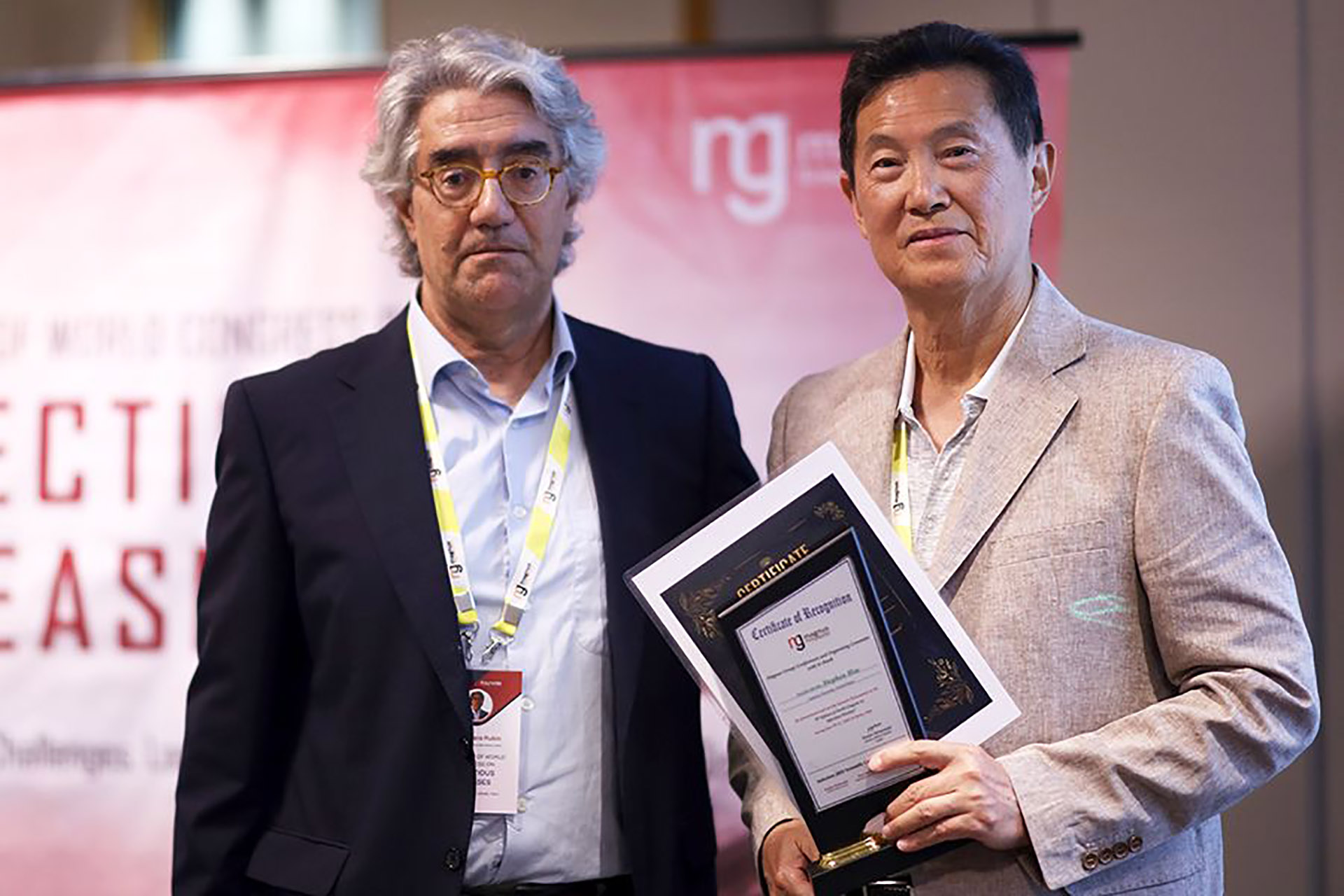
Stephen Hsu, PhD, a professor at the Dental College of Georgia at Augusta University, unveiled his groundbreaking nanotechnology, known as FAST, during a keynote address at the 8th World Congress on Infectious Diseases in Rome, Italy.
FAST, or Facilitated Self-Assembling Technology, offers a revolutionary way to convert compounds that are difficult to dissolve in water into stable nanoparticles. This innovation could transform drug development, viral infection prevention, hospital hygiene and more.
“FAST takes a completely different approach from traditional nanotechnology,” Hsu explained. “Unlike methods that rely on polymers, metals, surfactants, fat-based carriers or complex engineering processes, FAST allows compounds to self-assemble into nanoparticles with minimal effort. This makes drugs that were once nearly impossible to formulate in water stable, effective and practical for medical and consumer use.”
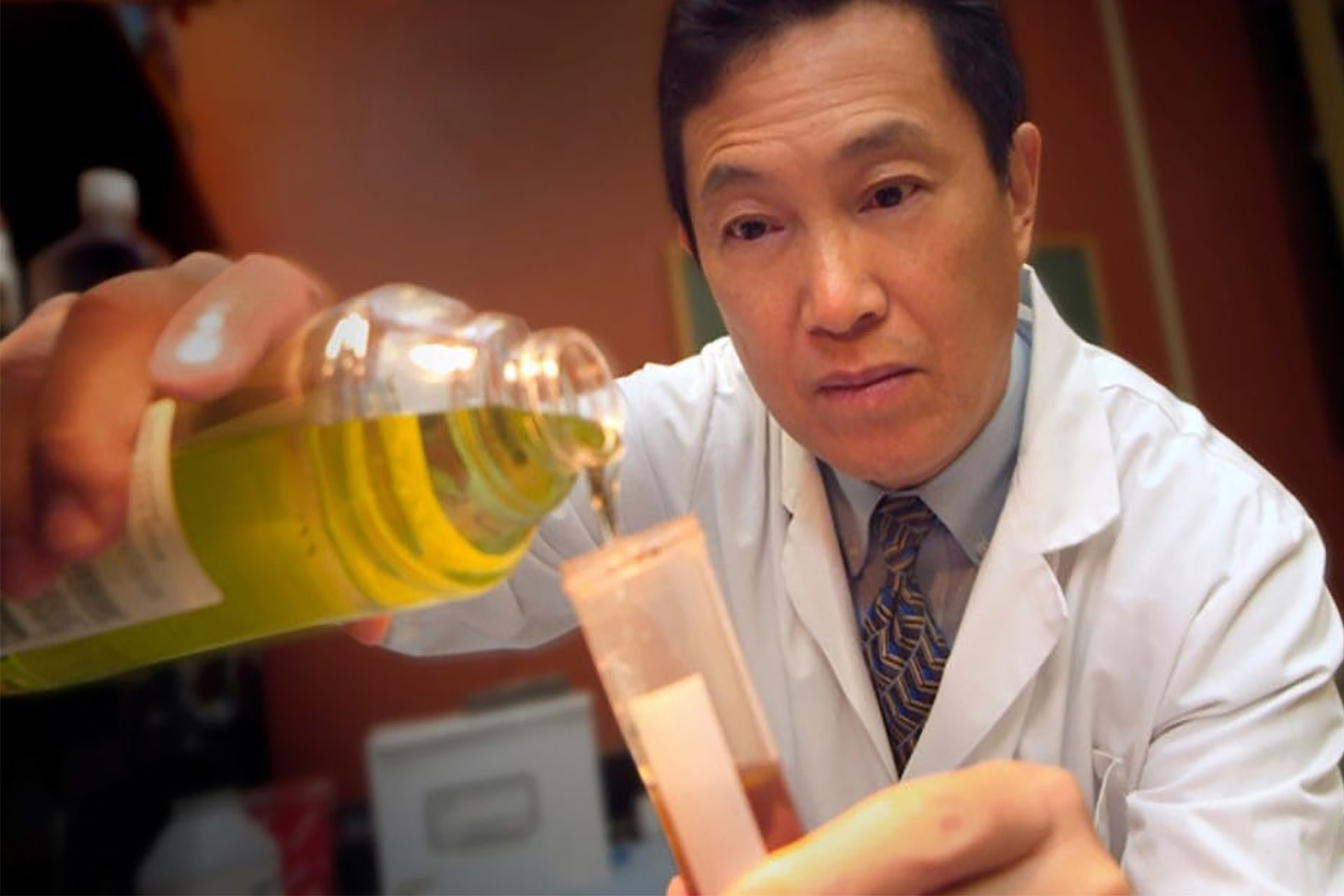
At the heart of this innovation is EC16, or EGCG-palmitate, a lipid-soluble compound derived from green tea. Known for its antioxidant, anticancer, anti-inflammatory and antimicrobial properties, green tea has long been studied but is challenging to use in clinical settings due to stability issues. FAST overcomes these limitations, transforming EC16 and other hydrophobic compounds into water-friendly nanoparticles.
“You can’t even tell the particles are there,” said Hsu. “They look just like water. I made several different formulations in one afternoon in my lab. It’s that fast and simple.”